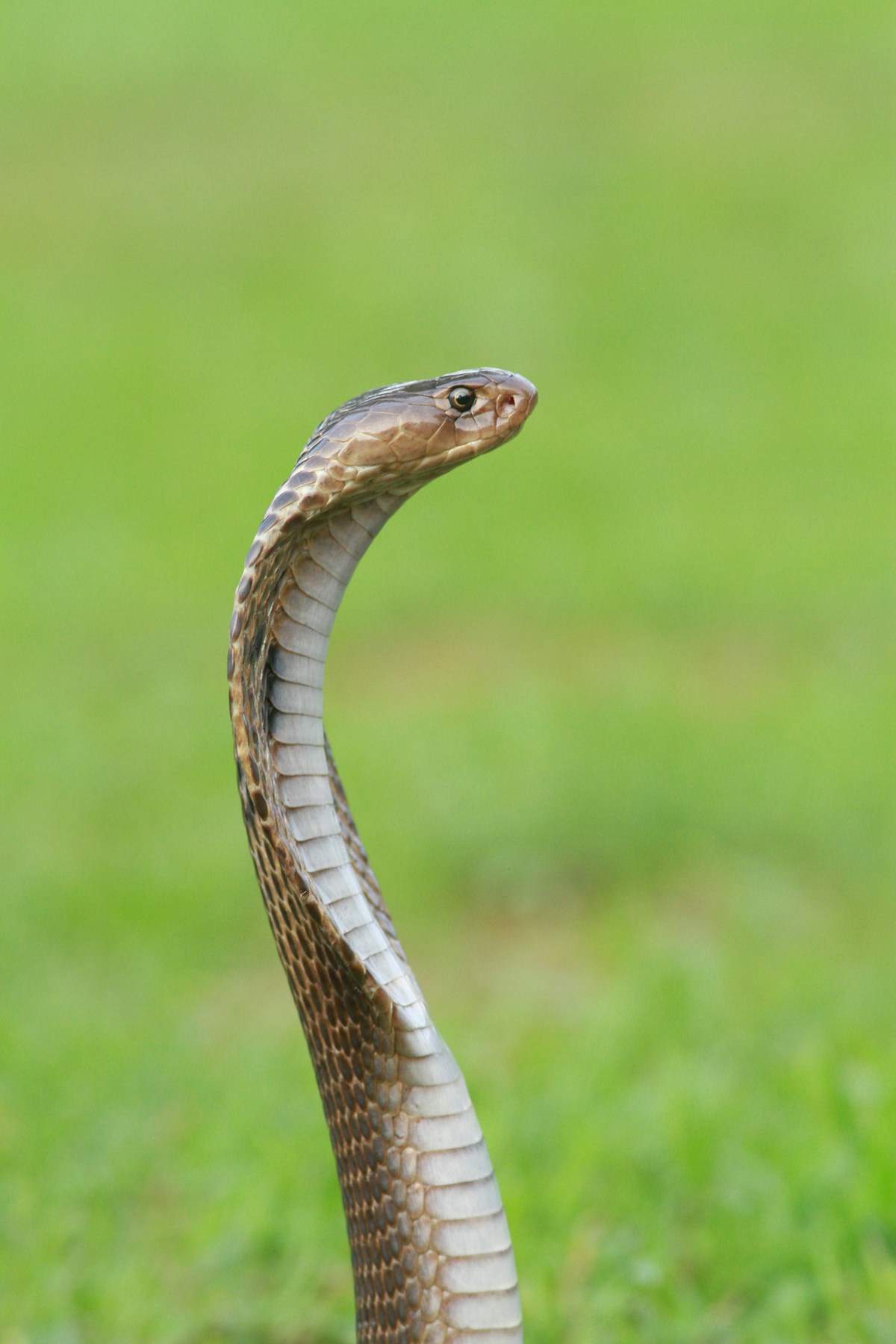

King Cobra

Rare Snakes of Goalpara District

Discover the biodiversity of Assam's unique snake species

Explore Species
Python

Conservation Efforts

Protecting endangered reptiles in their natural habitat

Learn More
Green Snake

Wildlife Documentation

Complete checklist of snake species in Goalpara

View Checklist
King Cobra

King Cobra Venomous

Ophiophagus hannah

Length: 3-4 meters (up to 5.5m)
Habitat: Dense forests, bamboo thickets
Diet: Other snakes, lizards
Venom: Highly venomous

The King Cobra is the world's longest venomous snake. Found in the forests of Goalpara, this species is revered and feared. It's an ophiophagus (snake-eater) and plays a crucial role in controlling snake populations.

Indian Python

Indian Python Non-Venomous

Python molurus

Length: 3-4.5 meters
Habitat: Grasslands, marshes, river valleys
Diet: Mammals, birds
Venom: Non-venomous (constrictor)

A large non-venomous constrictor found near water bodies in Goalpara. This python is protected under Indian Wildlife Protection Act. It's a shy species that prefers to avoid human contact.

Green Vine Snake

Green Vine Snake Venomous

Ahaetulla nasuta

Length: 1-1.5 meters
Habitat: Trees, bushes, gardens
Diet: Lizards, frogs
Venom: Mildly venomous

A slender, arboreal snake commonly found in Goalpara's gardens and forests. Its green color provides excellent camouflage. Despite being mildly venomous, it's generally harmless to humans.

Russell's Viper

Russell's Viper Venomous

Daboia russelii

Length: 1-1.5 meters
Habitat: Open grasslands, agricultural areas
Diet: Rodents, lizards
Venom: Highly venomous

One of the "Big Four" venomous snakes in India responsible for most snakebite incidents. Found in agricultural areas of Goalpara. Recognizable by its distinctive chain-like pattern.

Common Krait

Common Krait Venomous

Bungarus caeruleus

Length: 0.9-1.5 meters
Habitat: Fields, human habitations
Diet: Other snakes, mice
Venom: Highly venomous

Highly venomous nocturnal snake with distinctive black and white bands. Common in rural areas of Goalpara. Known for entering houses at night in search of prey.

Checkered Keelback

Checkered Keelback Non-Venomous

Xenochrophis piscator

Length: 0.9-1.4 meters
Habitat: Near water bodies, paddy fields
Diet: Fish, frogs
Venom: Non-venomous

A common water snake found abundantly in Goalpara's wetlands and rice fields. Often mistaken for venomous species. Completely harmless and beneficial for controlling fish and frog populations.

Spectacled Cobra

Spectacled Cobra Venomous

Naja naja

Length: 1-1.5 meters
Habitat: Agricultural lands, forests, near human habitations
Diet: Rodents, frogs, lizards
Venom: Highly venomous

Recognizable by the distinctive spectacle-like pattern on its hood. One of India's most iconic venomous snakes. Plays crucial role in rodent control in agricultural areas of Goalpara.

Rat Snake

Rat Snake Non-Venomous

Ptyas mucosa

Length: 2-3 meters
Habitat: Fields, gardens, near human settlements
Diet: Rats, mice, birds
Venom: Non-venomous

Fast-moving and highly beneficial snake that controls rodent populations. Often found in agricultural areas of Goalpara. Despite being non-venomous, it's aggressive when cornered.

Banded Krait

Banded Krait Venomous

Bungarus fasciatus

Length: 1.5-2 meters
Habitat: Forests, bamboo groves, near water
Diet: Other snakes, lizards
Venom: Highly venomous

Striking black and yellow banded pattern makes it easily identifiable. Nocturnal and generally docile during the day. Found in forested areas of Goalpara district.

Bronze Back Tree Snake

Bronze Back Tree Snake Non-Venomous

Dendrelaphis tristis

Length: 0.8-1.2 meters
Habitat: Trees, gardens, forests
Diet: Frogs, lizards
Venom: Non-venomous

Slender arboreal snake with bronze-colored scales. Extremely fast and agile. Commonly found in trees and bushes throughout Goalpara. Completely harmless to humans.

Saw-Scaled Viper

Saw-Scaled Viper Venomous

Echis carinatus

Length: 0.4-0.6 meters
Habitat: Dry rocky areas, scrublands
Diet: Rodents, lizards, scorpions
Venom: Highly venomous

Small but extremely dangerous viper. Makes a distinctive warning sound by rubbing its scales together. Responsible for many snakebite cases due to its small size and aggressive nature.

Wolf Snake

Wolf Snake Non-Venomous

Lycodon aulicus

Length: 0.4-0.7 meters
Habitat: Houses, gardens, urban areas
Diet: Lizards, geckos
Venom: Non-venomous

Small nocturnal snake commonly found in houses. Often mistaken for a krait due to similar banding pattern. Completely harmless and beneficial for controlling gecko populations.

Monocled Cobra

Monocled Cobra Venomous

Naja kaouthia

Length: 1.2-1.5 meters
Habitat: Forests, agricultural areas, grasslands
Diet: Rodents, snakes, frogs
Venom: Highly venomous

Distinguished by the monocle-like pattern on its hood. Fast-moving and nervous species. Found in various habitats across Goalpara, from forests to agricultural lands.

Trinket Snake

Trinket Snake Non-Venomous

Coelognathus helena

Length: 1.2-1.8 meters
Habitat: Forests, agricultural areas, gardens
Diet: Rodents, birds, eggs
Venom: Non-venomous

Medium-sized non-venomous snake with distinctive pattern. Excellent climber and often found in trees. Common in various habitats throughout Goalpara district.

Pit Viper

Pit Viper Venomous

Trimeresurus sp.

Length: 0.6-1 meter
Habitat: Forests, bamboo groves, near streams
Diet: Rodents, lizards, frogs
Venom: Highly venomous

Green arboreal viper with heat-sensing pits. Primarily nocturnal and well-camouflaged in forest vegetation. Found in the forested regions of Goalpara district.

Kukri Snake

Kukri Snake Non-Venomous

Oligodon arnensis

Length: 0.3-0.5 meters
Habitat: Gardens, fields, under debris
Diet: Lizard eggs, small reptiles
Venom: Non-venomous

Small fossorial snake named after its blade-like teeth resembling a kukri knife. Secretive and rarely seen. Completely harmless and commonly found under rocks and debris in Goalpara.

Conservation Status

Protected Species

All snake species in Goalpara are protected under the Wildlife Protection Act of India, 1972.

Threats

Habitat loss, human-wildlife conflict, illegal wildlife trade, and climate change pose major threats.

How to Help

Report sightings, avoid killing snakes, support conservation organizations, and spread awareness.

Emergency Contact

For snake rescue: Contact local forest department or wildlife rescue services immediately.

Frequently Asked Questions

Your questions about snakes in Goalpara answered

What are the most common snake species found in Goalpara?
Commonly found species include the Checkered Keelback, Rat Snake, and Green Vine Snake. While generally harmless, caution is advised with any wild animal.
How can I identify a venomous snake from a non-venomous one?
Identifying venomous snakes can be tricky. Key features to look for include triangular head shape, vertical pupils (in some species), and distinct patterns. However, it's best to maintain a safe distance and consult experts rather than attempting identification yourself.
What should I do if I encounter a snake in my house or garden?
Stay calm and do not approach or try to capture the snake. Keep pets and children away. Contact the local forest department or a professional snake rescuer immediately.
Are there any endangered snake species in Goalpara?
Yes, several species are considered threatened or endangered due to habitat loss and human activities. Conservation efforts are crucial to protect these vulnerable populations.
What is the role of snakes in the Goalpara ecosystem?
Snakes play a vital role in maintaining ecological balance. Venomous snakes help control rodent populations, while non-venomous snakes prey on rodents, frogs, and insects, thus regulating their numbers.
What are the main threats to snake populations in this region?
The primary threats include habitat destruction due to deforestation and agricultural expansion, human-wildlife conflict, and illegal trade. Climate change also impacts their habitats and prey availability.
How can I contribute to snake conservation in Goalpara?
You can help by spreading awareness, reporting snake sightings to relevant authorities, supporting local conservation initiatives, and refraining from harming snakes. Educating yourself and others about their importance is key.

About the Authors

Dr. Rajesh Kumar

Dr. Rajesh Kumar

Wildlife Biologist & Herpetologist

Dr. Kumar has over 15 years of experience studying reptiles in Northeast India. He has published numerous research papers on snake biodiversity in Assam and leads conservation efforts in Goalpara District. His fieldwork has documented several rare species and contributed to wildlife protection policies in the region.

rajesh.kumar@wildlife.org
Dr. Priya Sharma

Dr. Priya Sharma

Ecology Researcher & Conservation Specialist

Dr. Sharma specializes in reptile ecology and habitat conservation. With a PhD in Environmental Science, she has worked extensively on human-wildlife conflict mitigation in Assam. Her research focuses on sustainable conservation strategies and community engagement to protect endangered snake species in their natural habitats.

priya.sharma@conservation.in

JOIN OUR COMMUNITY NOW

Experience the benefits of our community. No obligations, just join and explore.

Member 1 Member 2 Member 3 Member 4 Member 5 Member 6

No Obligations

Join Now